

We are all know how it began. The Frisbie Pie Company of Bridgeport, Connecticut served their delicious meat-based treats in metal pans. In 1910 they started to use the “Frisbie’s Pies” logo on their products. When they were eaten the delivery drivers started throwing the pan lids around and shouted “frisbie!” to warn others of their errant throws.
As with many names in America we have to look to this side of the Atlantic to find its derivation. William Russell Frisbie, who started the Frisbie Pie Company in 1871, was related to Richard Frisbie from London who emigrated to the New World and probably died en route to America in about 1635. But where does the name come from?
Britain, too, derived many of its names from elsewhere as immigrants from Europe colonised this isle. One such group came from Frisia, a coastal area of what is now northern Netherlands and Germany. The Frisians first migrated to East Anglia (as the nearest mainland) and then progressed inland. A number of towns called Frisby (or some derivative of that) existed all over England at the time, all deriving their names from the Old Norman word “frisir”, which indicated someone from the area of Frisia and “byr” meaning farm or settlement. However, most of the villages died and it is only in Leicestershire that their modern-day equivalents still exist.
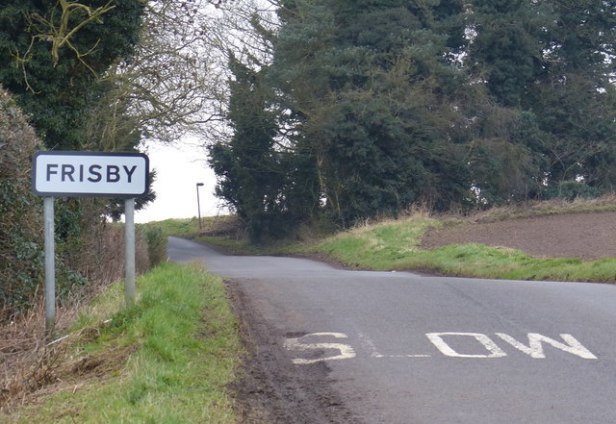
Frisby is a hamlet, virtually deserted medieval village and civil parish in the Harborough district of Leicestershire and is a scheduled ancient monument. According to the 2001 census the parish had a population of 26.
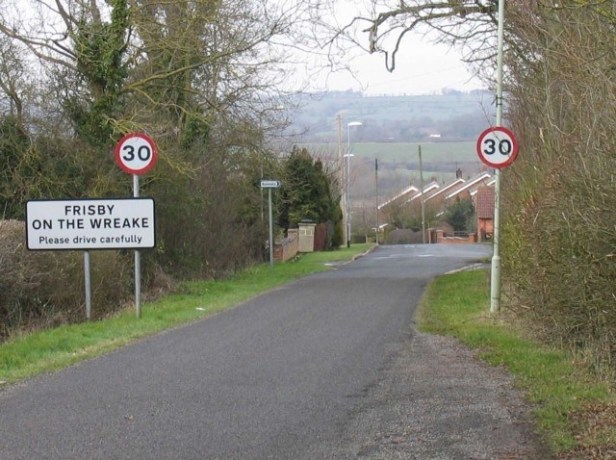
Frisby on the Wreake is a village and civil parish on the River Wreake about 3.5 miles west of Melton Mowbray, Leicestershire, England. The 2011 Census recorded the parish’s population as 557.
The Domesday Book of 1086, William I’s survey of England, mentions Frisebi whose landholder was Hugh de Grandmesnil, Sheriff of Leicestershire and Frisebi (on the Wreake) in the control of Earl Harold (King Harold).
One of the first known notable recordings of the name includes Simon de Friseby (1273) in the Subsidy Rolls of Lincolnshire, and John de Friseby, which was also dated 1273, in the “Hundred Rolls of Leicestershire”.
 When a ball dreams...